OpenAI released GPT-5.5 this week, and the framing around it is different from previous releases in an important way. Rather than leading with benchmark scores and capability comparisons, OpenAI is positioning GPT-5.5 as the foundation of what it calls a “compute-powered economy” — where the ability to access and direct AI compute is the new form of productive capacity. For personal brand builders, this framing has direct implications for how you position yourself and your expertise.
The Shift From Passive to Active AI
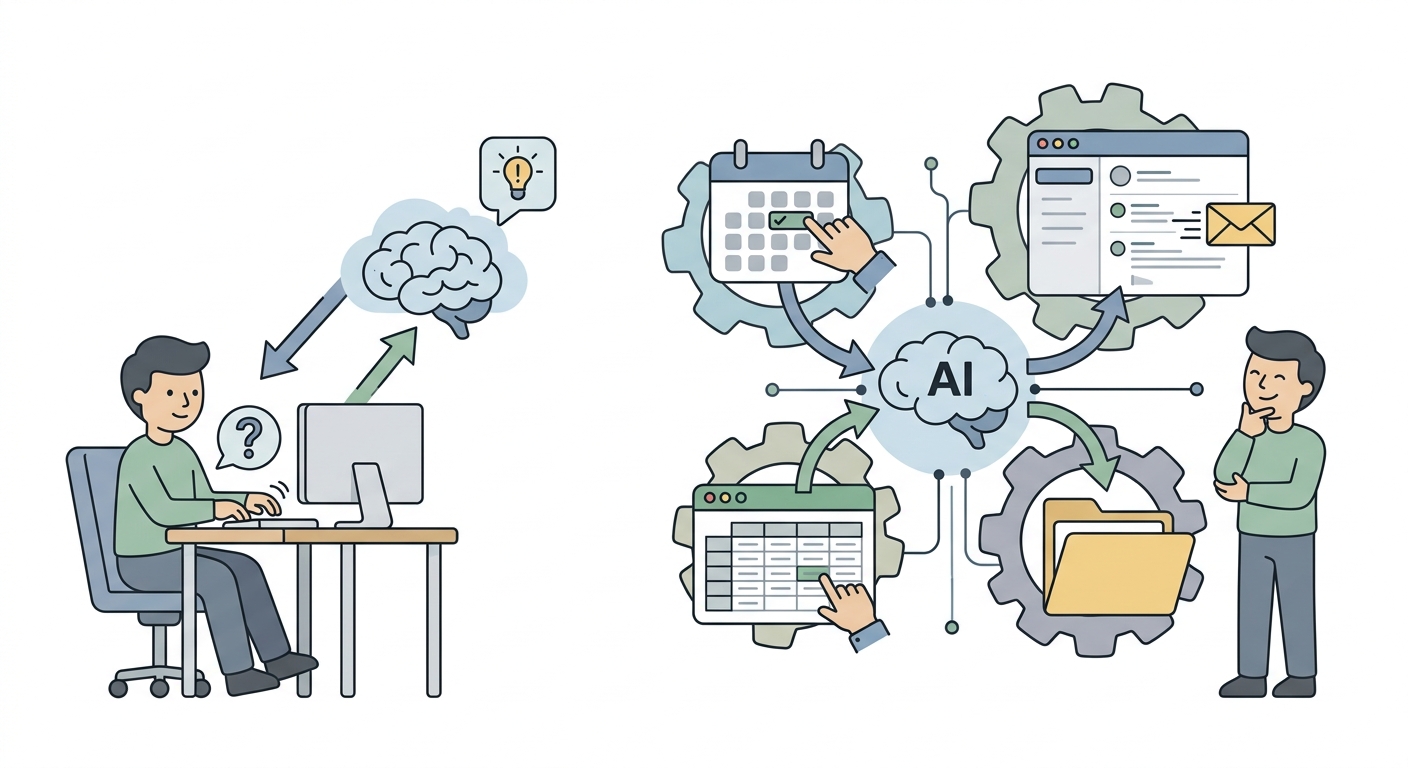
GPT-5.5 is described as moving from passive language model to proactive agent-driven system. It does not just answer questions — it executes tasks, operates applications, and works across tools with minimal direction. This is the version of AI that makes the “AI as employee” framing feel less like marketing and more like reality.
For personal brands built around productivity, marketing, or business strategy, this means the tools you recommend and demonstrate are becoming meaningfully more capable than they were six months ago. Staying current with what these tools can actually do in 2026 is essential credibility maintenance.
What This Means for Your Content Strategy
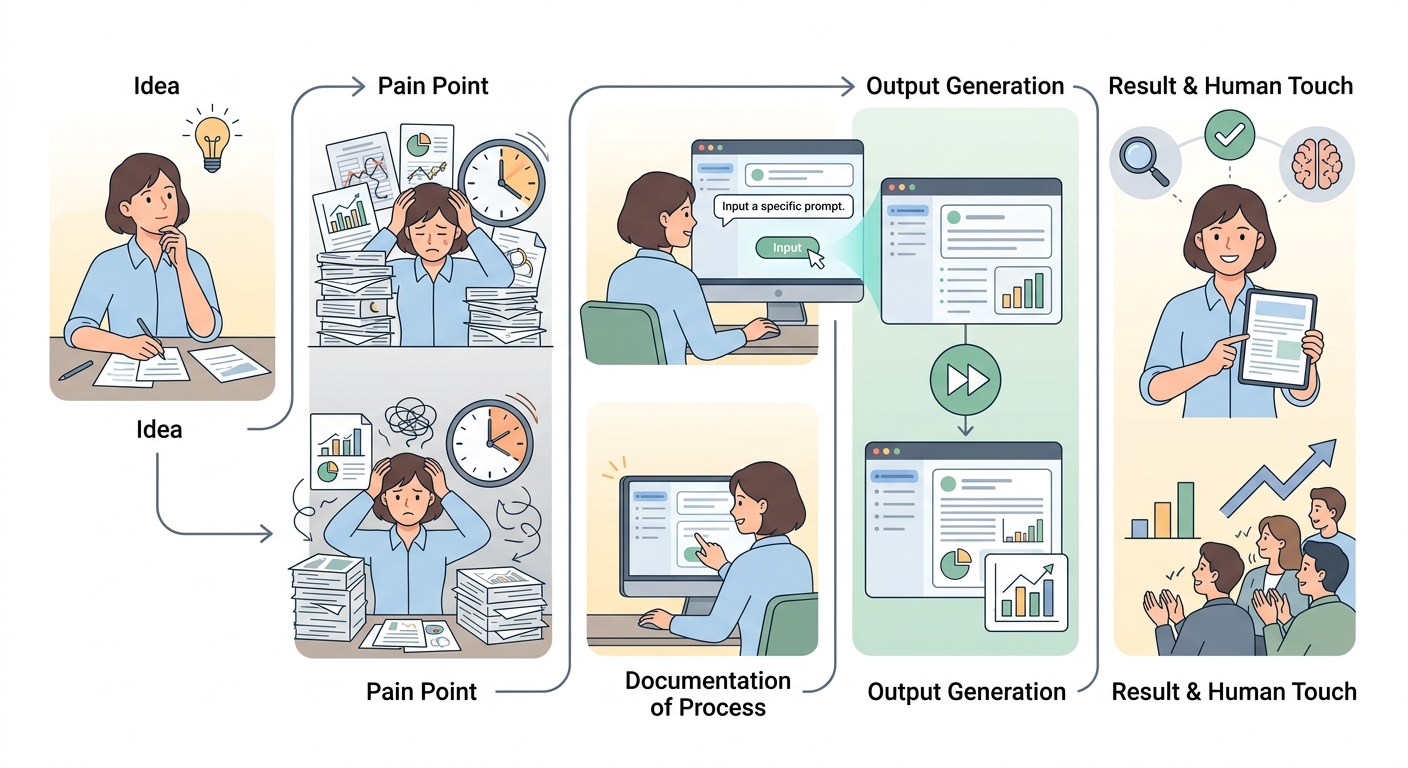
The personal brands growing fastest right now are the ones demonstrating real, current AI workflows — not explaining what AI is in theory. Show your audience exactly how you used GPT-5.5 or a comparable tool to do something specific that would have taken hours manually. Document the process. Show the output.
Explain what still needed human judgment. This kind of practical, honest demonstration content is what audiences trust and what search and AI systems surface. Abstract AI commentary is everywhere. Specific, workflow-level AI content is still scarce enough to be genuinely valuable.
GPT-5.5 is not just a new model to mention in passing. It is new material for the kind of practical content that builds a credible personal brand in 2026.
Quick Links: